September 22, 2025
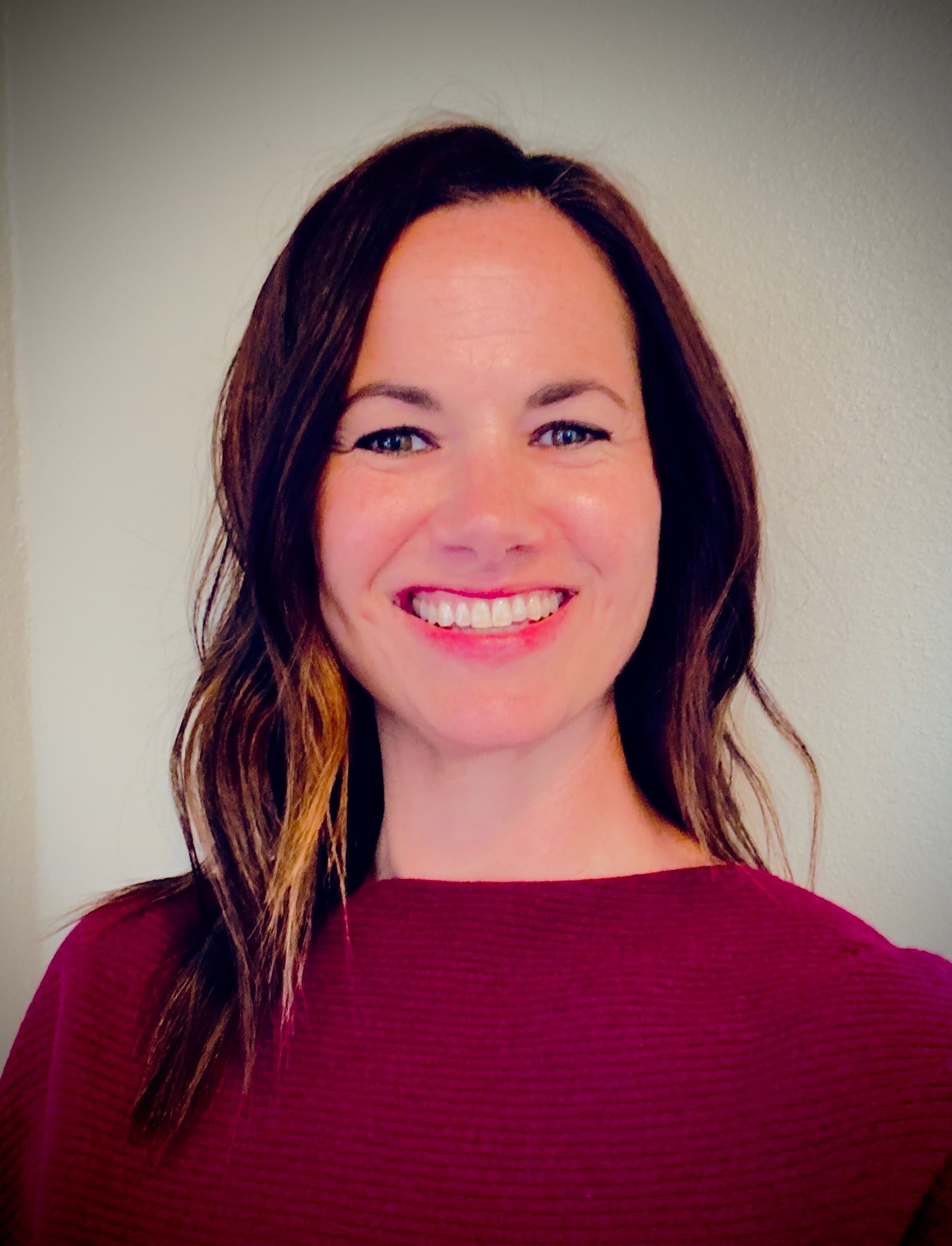
Erica Kester entered Nervous System Mastery carrying what she describes as "internal chaos." As a mother of young children, she'd been struggling with patterns of reactivity that had followed her since childhood—big emotional reactions, usually rooted in anger, that would surprise even her with their intensity.
By the time COVID lockdowns arrived in late 2020, the internal chaos had intensified. Confined with her young children and husband, Erica experienced her first panic attacks and forms of depression. The combination of unhealthy lifestyle patterns, chronic insomnia, and a family background where yelling was commonplace compounded in her nervous system.
A friend introduced her to nervous system work through Deb Dana's writings, but to Erica the material felt overwhelming and hard to understand. Then, through Nick Wignall's podcast featuring Jonny, Erica discovered NSM and felt immediately drawn to the approach.
The NSM Approach
When Erica joined cohort 6 in October 2024, she was skeptical but desperate. During the introductory session's breathing exercise, she found herself overcome with emotion—a clear sign that this work was touching something important. Despite the financial stretch, she impulsively signed up, telling her husband she had a feeling it would be worthwhile.
The shift wasn't immediate, but Erica committed fully to the process. Moving from corporate calls to sessions where NSM facilitators invited participants to "drop into their bodies" initially felt jarring, but she pushed past the judgment and began to understand what embodiment actually meant.
The breakthrough came when she started recognizing how much better regulation felt compared to her lifelong patterns of internal chaos. This recognition created what she describes as "chasing" that feeling—genuinely wanting to feel regulated and, importantly, wanting to create safe spaces for others to feel the same way.
Major Turning Points
- From Reactivity to Curiosity: Instead of experiencing emotional eruptions, Erica developed the ability to sit with difficult emotions and approach them with curiosity. She learned to ask "What is this that I'm feeling? Where is this coming from?"
- Understanding Space Between Stimulus and Response: While she'd heard therapists use phrases like "create space" before, NSM gave her actual tools for understanding what that meant practically, rather than just intellectually.
- Breaking Generational Patterns: Recognizing how yelling had been normalized in her childhood home, Erica became determined not to pass these patterns to her own children.
What Changed?
- Embodied Learning: Erica moved from living entirely in her head to developing a felt sense of what regulation actually meant in her body.
- Practical Tools: Instead of vague therapeutic advice, she gained concrete practices for working with her nervous system states.
- Community Connection: What started as personal work evolved into deep connections with others on similar journeys, leading Erica to start both the NSM Sisterhood and a parenting support group.
Life Now
Erica describes herself as still climbing the mountain but feeling significantly better. She's developed the capacity to sit with discomfort and approach challenging emotions with curiosity rather than immediate reactivity. While she acknowledges having more work to do, she's excited about how much better she might continue to feel.
As a parent, Erica is working to co-regulate with her children and teach them regulation skills early, so they don't have to spend years unlearning reactive patterns. She's exploring AI-generated somatic resources for children, like visualization exercises where kids pretend to be turtles taking deep breaths when overwhelmed.
The parenting group she started with other NSM parents meets monthly, providing a space for parents to share perspectives and support each other in applying nervous system tools with their children (people who "speak the same language" about regulation and understand the unique challenges of parenting while doing this work.)
Erica's Parting Words
For Erica, the community aspect of NSM became as valuable as the personal transformation. She encourages others to recognize that this work extends beyond individual benefit—it creates ripple effects through families and relationships.
She emphasizes that while the tools require practice, they offer hope for breaking cycles that might otherwise continue for generations. "Everything in life is a practice," she reflects, "and once you can feel what regulation actually means in your body, you start wanting to chase that feeling instead of staying stuck in old patterns."
Erica continues to be an active community member, participating in ongoing programs and encouraging others to join the journey toward nervous system health and emotional resilience.
Erica Kester is a mother and community builder who believes in the power of nervous system work to transform not just individuals, but entire family systems and communities.